




What's My Car Worth?
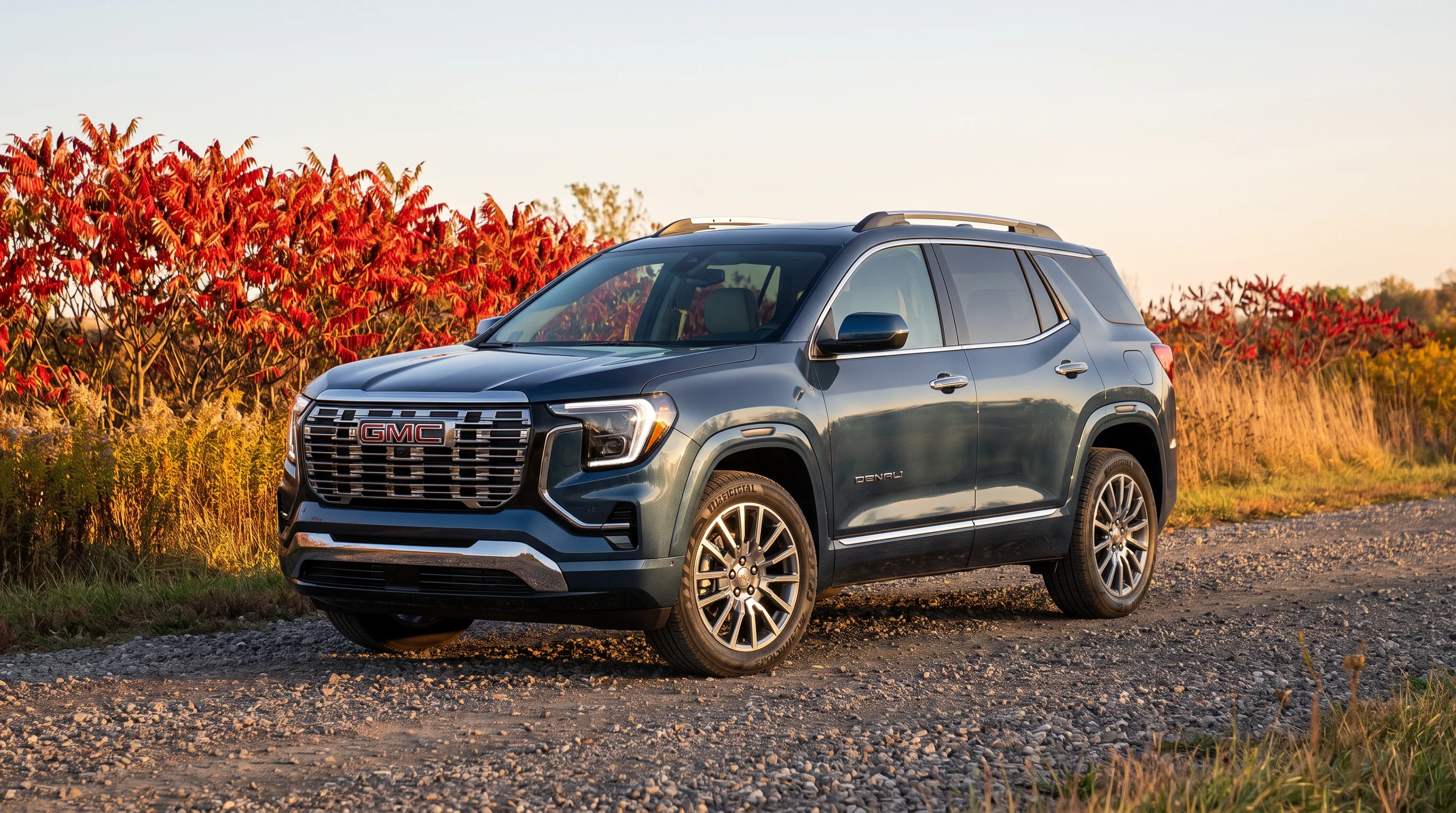
A car’s trade-in value is calculated by evaluating its exact model year, make, model, trim level, optional packages, total mileage, and overall physical and mechanical condition, measured against local market demand for comparable pre-owned vehicles. Professional appraisal tools and dealership evaluations process wholesale transaction data, regional market trends, and reconditioning costs to establish a fair wholesale baseline. The final allowance reflects what the vehicle is worth in the current market, minus the expense required to clean, service, and prepare it for resale.
Every calculation begins with accurate build data. Installed options and factory equipment are part of the number, alongside condition and local demand for that specific configuration. Appraisers compare the resulting baseline against regional auction records and retail sales figures to establish what buyers in the surrounding market are actually paying.
How an Appraiser Evaluates Your Vehicle
Physical and mechanical evaluation then determines where a specific vehicle sits inside that pricing band. An appraiser performs a detailed walk-around to inspect tire tread depth, body panel alignment, paint integrity, and cabin condition, then starts the vehicle, road tests it, and checks mechanical and electrical systems, including driver-assist features such as adaptive cruise control.
¶ Driver-assist and safety systems are supplemental aids and are not a substitute for safe, attentive driving. Their effectiveness depends on weather, road, and traffic conditions and other factors. Always obey traffic laws and stay attentive to the road. See your owner's manual for system details and limitations.
Local market dynamics matter as well. A vehicle that needs minimal reconditioning and matches current regional buying patterns lands at the upper end of its valuation range.
Drivers who want an accurate number can visit our Burlington showroom for an in-person assessment or call our team to start the appraisal.
Cited Source: Kelley Blue Book — Instant Cash Offer valuation inputs
What Reduces Trade-In Value the Most?
Major mechanical faults, structural or frame damage, branded title histories, severe exterior dents, and excessive mileage cause the steepest reductions in trade-in value. Mileage well above average accelerates depreciation, while unaddressed cosmetic or interior wear lowers offers by increasing the reconditioning a dealership has to absorb before resale.
Mileage is the primary proxy for mechanical wear and remaining useful life. Federal Highway Administration figures put the average licensed driver at 13,735 miles in 2024, while the average registered vehicle covered 11,071 miles that year. Vehicles with low mileage relative to their age hold stronger resale desirability because they need less immediate preventative maintenance.
Cosmetic and mechanical condition drive reconditioning deductions during appraisal. The defects that most often trigger a reduction include:
- Major engine or transmission issues, illuminated check engine lights, and active fluid leaks.
- Structural frame damage or evidence of uncertified collision repairs.
- Salvage, rebuilt salvage, or manufacturer buyback title brands reported on the vehicle record.
- Significant body dents, deep paint scratches down to the primer, and extensive rust perforation.
- Cracking or heavy curb rash on alloy wheels, plus uneven tire wear that indicates an alignment problem.
- Torn upholstery, lingering smoke or pet odors, and non-functioning cabin electronics.
A well-maintained midsize crossover like a Chevrolet Blazer holds predictable long-term value when it is serviced on schedule. Older vehicles with incomplete maintenance records require heavier reconditioning allowances. Mileage climbs fastest on vehicles used for long daily commutes, which is exactly why routine maintenance and detailed service records matter so much to trade equity for drivers across Burlington, Rochester, and the Town of East Troy.
Cited Source: Federal Highway Administration, Our Nation’s Highways 2026 — average annual miles per licensed driver | FHWA Highway Statistics 2024, Table VM-1 — average annual miles per registered vehicle | Wisconsin DMV — vehicle title brands and NMVTIS
Should You Fix Damage Before Trading In?
Low-cost maintenance, a thorough interior cleaning, and minor cosmetic touch-ups are worth doing before an appraisal. Major body damage and severe mechanical repairs generally are not. A dealership absorbs reconditioning as part of the spread between what it pays for your vehicle and what it can retail it for, while a retail owner pays full retail repair rates that rarely return dollar for dollar in trade value.
Minor preparation pays off because it improves immediate visual presentation. Washing the vehicle, vacuuming the cabin, wiping down surfaces, and repairing small paint chips help an appraiser place the vehicle in a higher condition tier. Replacing burnt-out exterior bulbs or topping off fluids signals consistent owner care without meaningful out-of-pocket cost.
Major overhauls are a different calculation. A transmission replacement or deep collision repair across multiple panels costs far more at retail than the value it adds back to the vehicle.
Honest wear is expected, and appraisers price it in. Minor scuffs in a truck bed, a cracked taillight lens, or cabin debris are ordinary. Presenting the vehicle clean and complete lets an appraiser evaluate its true baseline instead of padding estimates for deferred care.
| Repair Type | Owner Retail Cost | Added Trade Value | Recommended Action |
|---|---|---|---|
| Full Interior Detailing | $150 to 250 | ||
| Substantial net loss | Not recommended |
Figures are national average cost ranges for 2026, not Lynch Chevrolet GMC of Burlington pricing.
Cited Source: national 2026 repair, tire and detailing cost guides — average owner-paid retail cost ranges (named as plain text; not linked, as these are low-authority aggregators)
How the Wisconsin Trade-In Tax Credit Adds to Your Offer
Your trade-in is worth more than the allowance itself, because Wisconsin lets you deduct that allowance from the purchase price of your replacement vehicle before sales tax is calculated. The reduction applies when the trade-in and the purchase happen as a single, combined transaction. It does not apply to private party sales.
Wisconsin assesses a 5% state sales tax on vehicle purchases, plus any county sales tax. Racine County has imposed a 0.5% county tax since April 1, 2025, putting the combined rate in Burlington at 5.5%. County tax follows the county where the vehicle will be customarily kept rather than where the dealership sits, so your rate depends on where you live. When you trade in, tax is calculated only on the net difference between the replacement vehicle price and the trade-in allowance.※
| Line Item | Without Trade-In | With 15,000Trade-In |
|---|---|---|
| 40,000 | ||
| 15,000 | ||
| 25,000 | ||
| 1,375 | ||
| $825 |
※ This information is provided for general educational purposes only and does not constitute tax or legal advice. Sales tax treatment depends on your county of residence and the specific structure of your transaction. Consult the Wisconsin Department of Revenue or a qualified tax professional for guidance on your individual situation.
That $825 is real money added to what your trade is worth to you, and it is only available through a combined transaction. Selling your vehicle privately and applying the cash toward a purchase later does not qualify. In that case no deduction applies, so sales tax is calculated on the full purchase price.
Buyers carrying an existing loan balance can review financing options to see how a trade-in allowance and structured financing work together to lower the amount financed.
Cited Source: Wisconsin Department of Revenue, Sales Tax Rate Chart — state and county rates and effective dates | Wis. Admin. Code Tax 11.83 — trade-in allowance deducted when the sale and trade-in are one transaction | Wisconsin DMV — trade-in allowance and vehicle sales tax
Your VIN and What to Bring to the Appraisal
A vehicle identification number is required for appraisal because its 17-character structure decodes exact factory trim, standard options, engine configuration, and installed safety equipment, so valuation tools reflect your vehicle’s real specification rather than a generic trim guess. The VIN also pulls title, brand, odometer, and ownership history through national title records.
Three things make the appraisal faster and more accurate:
- Ownership documentation. Bring the original title or your current lender payoff statement, your registration card, and valid photo identification. The payoff figure determines your equity position, which is the number that actually affects your next purchase.
- All vehicle accessories. Collect both key fobs, owner manual packets, cargo covers, and factory floor mats. A missing second key fob is a line-item deduction on most appraisals.
- A clean vehicle. Remove clutter and surface soil inside and out so the appraiser can accurately inspect paint and upholstery.
Cited Source: NHTSA VIN Decoder — what a VIN encodes | 49 CFR Part 565 — federal VIN content requirements | Wisconsin DMV — NMVTIS title and brand history
Private Party Sale vs. Dealership Trade-In
A private party sale generally brings a higher headline price than a wholesale trade-in offer, with industry valuation guides commonly citing a 15% to 25% spread. That premium comes with work: advertising, screening buyers, scheduling test drives with strangers, negotiating, verifying payment, and handling the paperwork yourself.
Wisconsin also requires the private seller to handle the legal transfer. If a lien is listed on the title, you must obtain a lien release from your lender and provide it to the buyer, who needs both documents to title the vehicle. Private sales also require seller notification to the state.
| Factor | Private Party Sale | Dealership Trade-In |
|---|---|---|
| Headline price | Typically 15% to 25% higher | Based on wholesale value |
| Time to complete | Weeks of listing, screening and negotiating | A single visit |
| Wisconsin trade-in tax credit | Does not apply | Applies |
| Loan payoff | You arrange it with your lender | Dealership handles it |
| Title and lien release | You obtain the release and transfer the title | Dealership processes the paperwork |
| Reconditioning and detailing | Your out-of-pocket cost | Dealership absorbs it |
| Payment security | You verify the buyer’s funds | Handled at the dealership |
The headline gap also narrows once you run the real math. A private offer that looks higher on paper can net the same or less after the lost sales tax credit, out-of-pocket detailing and advertising costs, and weeks of your own time.
Cited Source: industry valuation guides — private-party versus trade-in value spread | Wisconsin DMV — selling your vehicle, lien release and title transfer
Common Questions About Vehicle Trade-Ins
What vehicle condition factors reduce trade-in value the most?
Severe engine or transmission defects, structural frame damage, salvage or rebuilt title brands, high mileage, and extensive body rust cause the largest drops. Minor cosmetic defects like light surface scratches reduce value only slightly by adding reconditioning cost, but unaddressed structural issues or active warning lights trigger substantial deductions because of the repair work required before resale.
How long is a written trade-in appraisal offer good for?
It varies by dealership and by program. Major national appraisal programs typically hold a written offer for about seven days, and some also cap the additional miles you can drive before the number is recalculated. Ask for the specific terms in writing when you receive your offer so you know exactly how long you have to decide.
Does the Wisconsin trade-in sales tax credit apply to private sales?
No. Wisconsin excludes the trade-in allowance from the taxable sales price only when the sale and the trade-in are one transaction. Selling your vehicle privately and applying the proceeds toward a later purchase earns no credit, even if the two happen days apart.
Can you trade in a car if you still owe money on your loan?
Yes. The dealership contacts your lender for an exact payoff amount. If your trade-in allowance exceeds the loan balance, that positive equity applies as a down payment toward your next vehicle. If the balance exceeds the allowance, the negative equity can often be rolled into new financing, subject to credit approval.
How long does a trade-in appraisal take?
A physical appraisal generally takes 15 to 30 minutes. In that window an appraiser verifies the VIN, completes an exterior and interior walk-around, checks tire condition, reviews the vehicle history report, and road tests the vehicle before presenting a written offer.
Cited Source: industry appraisal program terms (Kelley Blue Book, CarMax) — written offer validity and appraisal duration
Knowing what your car is worth before you shop puts you in a stronger position, whether you are upgrading a daily commuter or moving into something larger for the family. Our team can walk you through the appraisal and show you exactly how your allowance and the Wisconsin tax credit apply to your next vehicle.
Disclaimers
¶ Driver-assist and safety systems are supplemental aids and are not a substitute for safe, attentive driving. Their effectiveness depends on weather, road, and traffic conditions and other factors. Always obey traffic laws and stay attentive to the road. See your owner's manual for system details and limitations.
※ This information is provided for general educational purposes only and does not constitute tax or legal advice. Sales tax treatment depends on your county of residence and the specific structure of your transaction. Consult the Wisconsin Department of Revenue or a qualified tax professional for guidance on your individual situation.
Cited Sources
Kelley Blue Book — Instant Cash Offer valuation inputs | Federal Highway Administration Highway Statistics — average annual miles per driver and per vehicle | Wisconsin DMV — vehicle title brands and NMVTIS | national repair, tire, and detailing cost guides (HomeGuide, Consumer Reports, MechanicSeeker) — 2026 average cost ranges | Wisconsin Department of Revenue — county sales and use tax rates | Wisconsin DMV — trade-in allowance and vehicle sales tax | NHTSA — vPIC VIN decoding under 49 CFR Part 565 | Wisconsin DMV — selling your vehicle, lien release and title transfer | CarMax — written offer validity and appraisal duration